
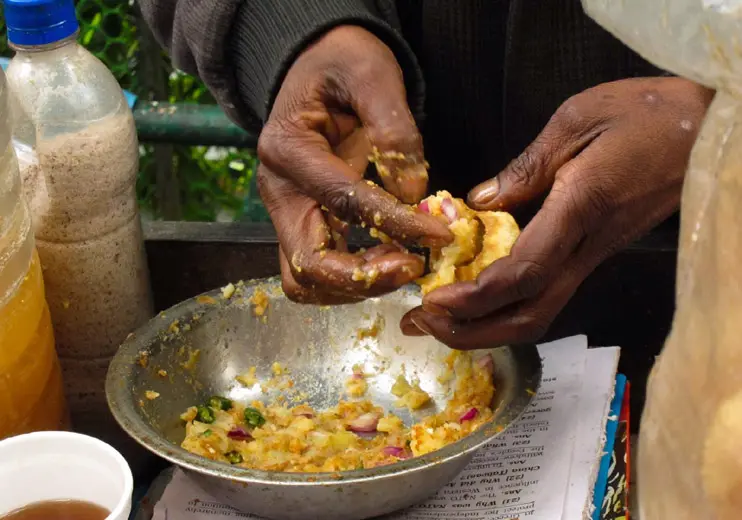
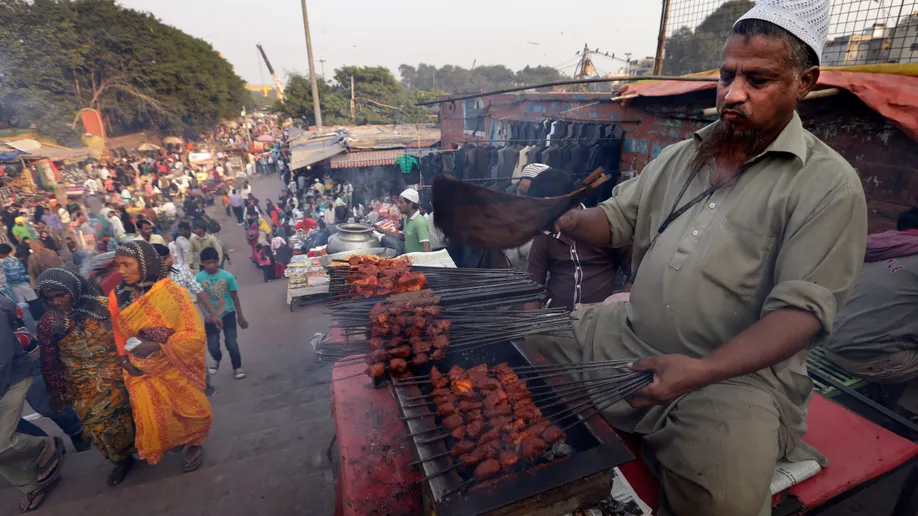
Street food in India has always been a favorite among locals and tourists alike. From delicious momos, samosas, and kachoris to chaats, the flavors are irresistible. But behind the taste, there’s a major concern: food safety and hygiene. Many street food items are made with unhygienic practices, using low-quality ingredients like synthetic paneer and spoiled vegetables. Despite these risks, people keep flocking to these food stalls, primarily because of their unbeatable taste.
Even packaged products aren’t exempt. Take muesli, for example. Many brands claim to be healthy with added millets, but the percentage of dry fruits is sometimes just 1%, nowhere near the 30% they advertise. In India, over 80% of food products are made with palm oil, which is unregulated. Palm oil is banned or highly regulated in Western countries due to its harmful effects, but here in India, it’s a major ingredient in many food products. This raises concerns about the long-term impact on public health.
Recently, an international agency discovered cancer-causing chemicals in some popular Indian spice brands. But what about the unbranded, loose food sold in rural markets? Are these products safe? With little to no labeling, the risk is high, and transparency is severely lacking. There’s also the growing issue of food-grade chemicals being used in agriculture, like growth hormones to speed up ripening. These chemicals are often unregulated and could have serious health consequences.
One of the most alarming issues is the hygiene of street food. Vendors often operate in unhygienic conditions, handling food without gloves and using the same cloth to clean surfaces and utensils. The oil used for frying is reused multiple times, up to 10 or 15 rounds, which makes the oil toxic and carcinogenic. It’s no surprise that cancer rates are rising, especially in rural India. The fact that many street food vendors aren’t aware of basic hygiene practices makes this situation even worse.
People are also turning to online food delivery, but troubling reports keep surfacing. A recent incident in Patiala involved a 10-year-old child dying after eating a cake ordered online. If these platforms are responsible for delivering food to consumers, why aren’t they conducting proper food safety audits or enforcing hygiene standards for the restaurants they work with?
Shocking cases of harmful substances being added to food are happening too often. In Telangana, a street vendor was arrested for mixing semen in faloodas, and a pani puri vendor was caught adding urine to the water. These cases are a wake-up call, showing us the importance of stricter food safety regulations and routine audits.
Moreover, many inexpensive street foods are made with synthetic ingredients. Paneer used in momos or sandwiches is often artificial, and vegetable fats are used instead of butter. Even butter, ghee, and cold drinks are frequently faked. MSG (Monosodium Glutamate), a cheap food additive, is another issue. MSG enhances flavor but can be harmful when consumed excessively, yet it’s not always disclosed in food preparation.
In India, sugar consumption is not regulated like it is in the European Union, which is one reason why India is known as the diabetic capital of the world. The market is flooded with sugary products that don’t have proper labeling. Coupled with harmful chemicals and artificial additives, this is a recipe for disaster when it comes to public health.
The situation with agriculture is just as bad. Fruits are injected with growth hormones, and vegetables are treated with chemicals like oxytocin. Farms near industrial areas use contaminated water for irrigation, filled with toxic metals like chromium and lead. These practices threaten the safety of our food supply.
As consumers, we have a responsibility to be more mindful of what we consume. It’s crucial to check food labels, be cautious about where we buy our food, and support businesses that prioritize food safety and quality. We need to demand better food safety standards, both from the government and the businesses we support.
As entrepreneurs focused on offering healthier alternatives, we work on growing food without added sugars, salts, oils, or preservatives through methods like hydroponics, vertical farming, and microgreens. However, these products come at a higher cost due to the technology, hygiene standards, and packaging involved. But investing in our health is crucial, and these options are a much healthier alternative to the cheap, processed foods flooding the market.
While these products may be more expensive, they are worth the investment for your health. We should focus on supporting natural food options and pushing for better regulation of food safety, both for street food and packaged products.
In Conclusion
The food safety and hygiene issues in India are widespread and urgent. We can’t continue to ignore the risks involved in consuming low-quality food, whether it’s from street vendors or packaged products. It’s time for consumers, businesses, and the government to come together and demand better standards for food safety and hygiene.
We need to make a conscious effort to demand better food standards and support businesses that prioritize health and hygiene. Transparency, safety, and quality should be the priority.
#FoodSafety #HygieneMatters #StreetFoodSafety #SupportHealthyBrands #FoodRegulations #HealthyChoices #ConsumerAwareness #TransparencyInFood
Created by: Pritesh
Published by: Yellowcrops Foods
This article was written by the Yellowcrops Foods team to raise awareness about food safety and hygiene issues in India.
Date: 28-Apr-2025
Sources:
-
International Agency Reports on Cancer-Causing Chemicals in Spices
- According to recent reports from international health agencies, cancer-causing chemicals were detected in several popular Indian spice brands. This highlights the need for better regulation and testing of food products for harmful substances. [Source: International Health Agencies and Reports on Food Safety in India]
-
Food Safety and Standards Authority of India (FSSAI) Initiatives
- The FSSAI has taken steps to improve food safety by introducing various initiatives like the Clean Street Food Hub and Food Safety Audits, yet enforcement remains an ongoing challenge. These initiatives aim to address concerns related to street food vendors and their hygiene practices. [Source: FSSAI Official Guidelines and Reports]
-
Reports on Harmful Agricultural Practices and Chemicals
- Numerous studies and news reports have raised concerns over the use of growth hormones, artificial ripening agents, and toxins in agriculture. These chemicals are not food-grade and can have long-term health effects, posing a risk to public health. [Source: Agricultural and Food Safety Journals, Media Reports on Chemical Usage]
-
News on Food Safety Violations in Street Vendors and Online Delivery Services
- There have been shocking incidents of food safety violations, such as vendors adding harmful substances (e.g., semen in faloodas, urine in pani puri) and unsafe practices in street food preparation. In addition, the online food delivery sector has witnessed cases of poor hygiene standards and food contamination. [Source: Media Reports on Street Food Safety and Online Food Delivery Violations]